
Let me tell ya, comedy and wordplay go together like peanut butter and jelly. For generations, stand-up comedians have relied on linguistic humor and clever puns to leave audiences in stitches. While everyone enjoys a good laugh, few appreciate the artistry behind crafting the perfect pun. Today, we’re pulling back the curtain on some of the most esteemed wordplay wizards in comedy history. From old school masters like George Carlin to modern wordsmiths like Mitch Hedberg, we’ll dive deep into their punny repertoires.
Grab some popcorn and get ready to laugh while also gaining mad respect for the comedy greats who’ve turned language into their plaything. This ain’t your grade school English class, folks…class is in session with the wordplay wizards of comedy!
George Carlin – The Sultan of Counter-Culture Wit
When it comes to crafting clever turns of phrase, nobody did it quite like the late, great George Carlin. He was like the sultan of counter-culture wit, using words as weapons. Carlin gained fame in the 70s by pushing the boundaries of comedy and language itself. The man single-handedly made linguistics cool.
Carlin had a fascination with the power of words. He dissected our everyday speech and uncovered the contradictions in the English language. Like when he asked, “If vegetarians eat vegetables, what do humanitarians eat?” Pieces like his “Seven Words You Can Never Say on Television” showed how words can shock and provoke.
Carlin also examined how language evolves over time. He reminded us how perfectly normal words like “fart”, “boobs”, and “scrotum” can turn into unmentionables if society deems them so. Simply by shifting connotations, language shapes our reality. Leave it to George to blow our minds while making us giggle.
Mitch Hedberg – Dazed, Confused, and Pun-tastic
If George Carlin is the sultan of wordplay, then Mitch Hedberg is totally the space cadet. Known for his disjointed, dazed delivery, Mitch subverted expectations with zany non-sequiturs and oddball puns. He was like that stoner kid in class whose random comments left you thinking, “Huh? What just happened?”
Mitch built his sets on wacky observations like, “I haven’t slept for ten days, because that would be too long.” His act embodied a kind of pot-fueled stream of consciousness that bent language in knots. Mitch created mind-bending puns using homonyms, malapropisms, and surprise twists. Take this gem: “I got my hair highlighted, because I felt some strands were more important than others.” Nobody expects the pun coming at the end!
While his bizarre one-liners sometimes left crowds in stunned silence, this was all part of Mitch’s awkward appeal. His stumbling delivery added to the jokes’ unexpected impact. Mitch proved wordplay can be weird, witty, and totally punctuation optional. We miss ya, Mitch. Keep on punning in heaven.
Steven Wright – Surrealism Meets Wordplay
Looking for wordplay that’s darker, drier, and more surreal? Then set your sights on the deadpan delivery of Steven Wright. With his trademark monotone drawl and existential one-liners, Wright captures the absurdity of modern life using linguistic jujitsu. He’s like that creepy guy at a party who speaks in tongues, but you can’t stop listening.
Wright’s minimalist style adds subtlety and layers to his unusual puns. Take this one: “Cross country skiing is great if you live in a small country.” In just a few words, Steven spins your brain in circles trying to unpack the visual. His ironic musings blend wordplay with a philosophical bent, like “Experience is something you don’t get until just after you need it.” Steven Wright proves amazing puns can come in monotone packages.
Contemporary Wordplay Wizards
Carlin, Hedberg, and Wright may be some old school masters, but wordplay is still alive and well in stand-up today. Rising stars like Zach Galifianakis spin absurdist yarns with killer puns baked right in. Buzzy newcomer Anthony Jeselnik uses dark, intelligent wordplay to give his biting social commentary extra punch. Oh, and we can’t forget Sarah Silverman, whose razor-sharp wit weaponizes puns to highlight hypocrisy and taboos.
Of course, we’ve also got British imports like Eddie Izzard and pun-machine Jimmy Carr keeping linguistic humor thriving across the pond. And folks like comic legend Joan Rivers built legendary careers on catty wordplay that skewered celebs and political figures. As genres like deadpan, cringe comedy and musical comedy explode, wordplay remains an essential ingredient.
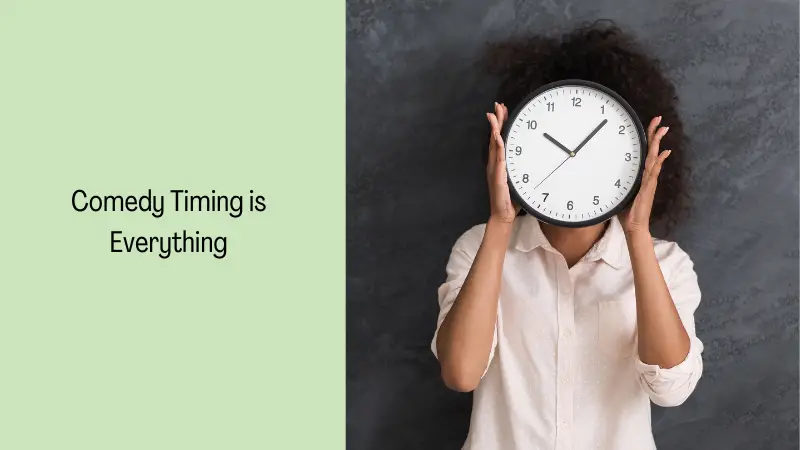
Comedy Timing is Everything
So what gives great puns their zing? It often comes down to that ol’ comedy essential: timing. The timing and delivery of wordplay can make or break a pun. Even the cleverest pun falls flat without the right build-up, pauses, and punchlines.
Comedians use techniques like callbacks to layer puns and compound their humor. They subvert expectations by hiding puns in exaggerated accents or characters. The pros know just how to milk awkward silences to highlight outrageous puns. There’s a reason we warn folks not to “quit their day job” if their puns suck. Wielding puns takes serious comedy chops!
Inside the Pun Factory
For stand-up comics, wordplay humor doesn’t just magically happen. Crafting killer puns takes hours of grinding away behind-the-scenes. Most comics keep running lists of wordplay fodder they build on daily. They carefully hone new material at small clubs to see what hits and what bombs.
Great puns often happen spontaneously through freestyling on stage. But true wordplay wizards have banked tons of linguistic ammo in their memories to whip out at the right moments. The art is making meticulously crafted puns seem off-the-cuff. When it comes to comedy writing, you gotta do the work before you can play.
The Legacy of Punning Legends
While we enjoy a good groaner now and then, it’s easy to dismiss puns as low-brow humor. But the long legacy of wordplay in stand-up proves it can be taken to artful, philosophical heights. Comedians like Carlin, Hedberg, and Wright showed linguistic humor is no laughing matter. Their pun-slinging secured their places in the comedy pantheon.
Today’s comics continue building on their wordplay foundations. At its best, pun-based comedy makes us reconsider everyday language and see the world in new ways. So the next time you hear a comedian drop a real thigh-slapper, remember the craftsmanship required. Give those wordplay legends their props for pushing comedy to punny new frontiers!
Now you’ve gotten the inside scoop on the art of crafting comedy puns. Before we wrap up this class on wordplay wizards, let’s tackle some burning questions:
FAQ
Why do people groan at puns but still find them funny?
It’s a love-hate relationship! We groan because puns play off corny word associations. But they also make us laugh by subverting expectations. Puns create an enjoyable tension between wincing and chuckling. The groans show that the pun cleverly got us – while we secretly dig it.
What makes a pun truly inspired versus lame?
A brilliant pun shows the comedian making fresh connections between words that we’d never consider pairing. Cliched puns just exploit obvious word sounds without imagination. Great puns also work on multiple levels and layers. Inspired wordplay tickles our minds as much as our funny bones.
Is pun-based comedy considered “smart” or “dumb” humor?
Punning requires linguistic agility that cannot be dismissed as dumb. However, reliance on sheer pun quantity can seem like a crutch. The “smartest” wordplay masters know how to construct elegant pun setups, time them for maximum impact, and catch audiences off guard. Intelligence in puns comes from crafting them sparingly and exquisitely.
Conclusion
And scene! Our masterclass on stand-up’s wordplay legends is a wrap. We’ve punned on everything from Carlin’s counter-culture wit to Hedberg’s stoner puns to Wright’s bone-dry zingers. Along the way, we learned how delivery, timing, and hard work elevate puns from groaners to high art. While silly at times, great wordplay requires true comedic mastery. Next time you hear an awesome pun, take a moment to appreciate the linguistic virtuosity behind it. The pun-slinging greats like Carlin have molded language into an artform and given us countless laughs. Their genius wordplay is no joke!
No Comments